Depression is one of the most common mental health issues in the world. There’s no denying how strongly it can impact the person dealing with it. It can make you feel hopeless, sad, and struggle with an endless cycle of negative thoughts.
However, if you’re dealing with depression, there’s a good chance it could end up affecting the people around you, too, including your family.
Not only can depression disrupt specific family dynamics, but it can also put a strain on relationships and potentially increase the risk of other family members developing mental health issues.
Let’s take a closer look at how depression can affect families and what you can do to protect yours while prioritizing your mental well-being.
Strained Relationships
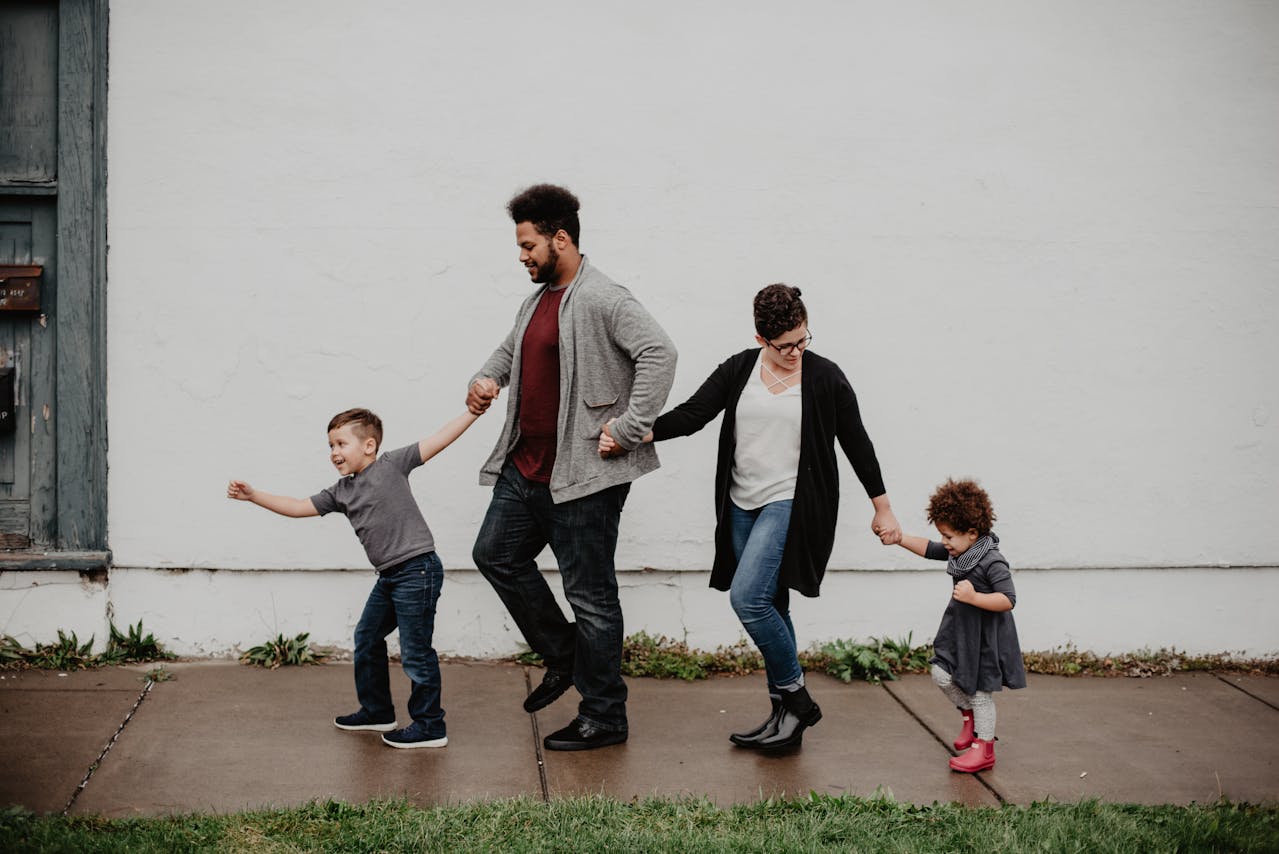 Some of the most common symptoms of depression are withdrawal and isolation. You might need to close yourself off, avoiding the people you love and the things you typically enjoy.
As you can imagine, this can contribute to strained relationships within your family. Your partner or spouse might feel rejected or hurt. Children might not fully understand what’s going on, but knowing you’re withdrawing can make them feel resentful. Or, they might start to blame themselves for your feelings.
You risk more conflict in your family when you aren’t focusing on your relationships and healthy communication. On top of that, it’s not uncommon for people with depression to experience mood swings or be irritable at times. That can lead to additional conflicts, tension, and arguments.
Disrupted Dynamics
When one person is struggling with depression, other family members might have to change or adapt their roles. Children might have to take on more household responsibilities, or your partner might get “stuck” with additional tasks to keep things afloat.
Unfortunately, because depression can be so overwhelming, it can also impact a person’s career. If you’re feeling completely hopeless and wanting to withdraw, you might start performing poorly at work or missing too many days. Obviously, losing a job can take a significant toll on a family. It can also lead to financial strain, which can further impact your personal depression and cause feelings of guilt or shame.
A Greater Risk for Mental Health Issues Within the Family
While you can’t pass depression on from one person to another, the effects and symptoms of the condition can have such a substantial impact that it starts affecting family members and potentially creates other mental health challenges.
Living with a depressed family member is often emotionally draining, especially for a spouse or romantic partner. No matter how much that individual wants to help and be supportive, they can become burned out. They might start to feel helpless, sad, and frustrated.
It’s also not uncommon for family members to struggle with guilt, stress, and anxiety when one person is dealing with depression. That can take a toll on your relationship, but it can also affect the well-being of your kids and contribute to behavioral issues and emotional dysregulation.
Finding Support for Depression
There are many ways to take charge of your mental well-being. From individual or family counseling to lifestyle changes, managing and eventually overcoming the impact of depression is possible.
Start by prioritizing self-care. Do something every day that promotes your mental well-being. That includes exercising, getting enough sleep, journaling, or even practicing mindfulness or meditation.
Try to spend time with your family and friends, and continue to do what you do. While it’s tempting to isolate yourself, it will only worsen symptoms.
Finally, don’t hesitate to work with a therapist. Counseling can help you better understand where your depression stems from while giving you the strategies needed to work through your symptoms. If you’re ready to take that step and schedule an appointment, contact me today.